
Seasonality & Gear Reality · Zero Sugarcoating
Alaska Mosquitoes & Bugs by Month — Honest Regional Reality
Key Summary
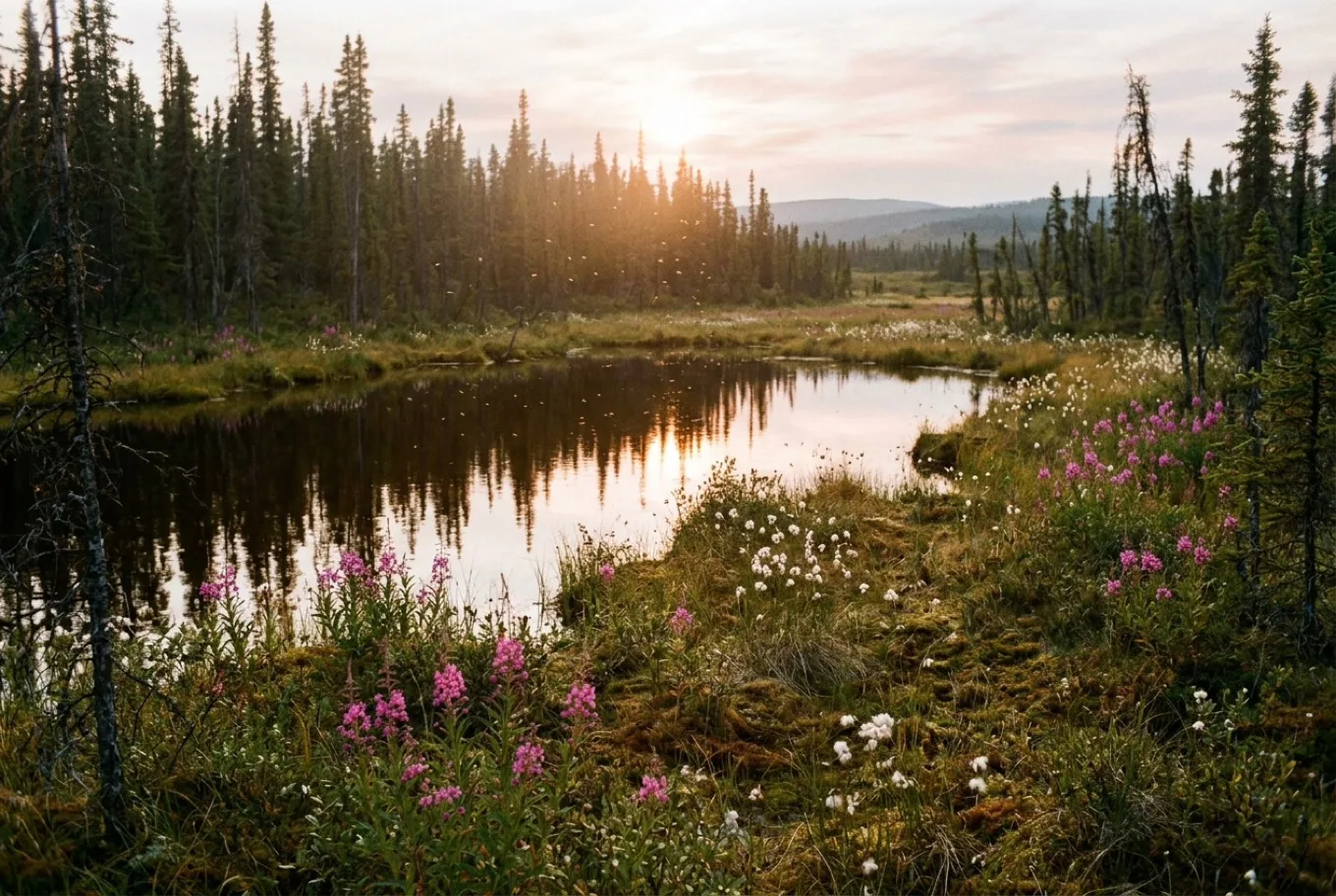
Alaska’s "state bird" mosquito myth primarily applies from mid-June through late July across windless Interior spruce ponds, tundra meadows (Denali/Yukon/Arctic), and wetlands. Breezy ocean ports like Seward, Homer, Whittier, Juneau, Sitka, and Ketchikan stay dramatically clearer—and bugs vanish nearly completely everywhere across Alaska between mid-September and May.
Region by Region: Where Mosquitoes Actually Bite
Interior taiga trails, Yukon flats, Dalton Highway pullouts, Denali tundra hikes below wind line, and freshwater lakes around Talkeetna/Fairbanks spawn thick swarms whenever temperatures cross 60°F without breeze between June 10 and late July.
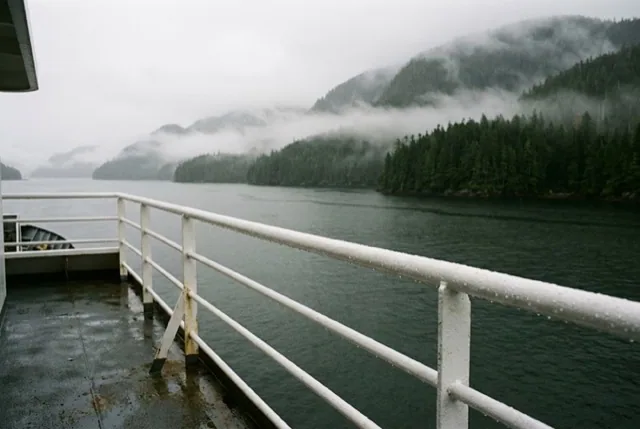
By contrast, chilly marine air sweeping Resurrection Bay docks, Homer Spit breezes, coastal islands of Kodiak, and Southeast fjords keeps everyday town and boat sightseeing largely bug-free outside damp shaded forest clearings.
What Actually Stops Alaska Swarms (Skip Weak Sprays)
Citronella bracelets and essential oils fail quickly in thick tundra hatches. Carry 20% Picaridin (safer around Gore-Tex rain shells and camera plastics than high-DEET melting risk) or 30%–40% DEET + Permethrin-treated outer hiking pants.
Always toss a $6 1-ounce mesh mosquito headnet in your daypack pocket when visiting Denali, Brooks Camp, or Yukon flats—nothing beats instant physical mesh over a wide-brim hat when calm evening air settles.
Key Field Details & Guidance
- Early June trips see melting wet woods ramp up bugs after mid-June; May and September travelers encounter virtually zero mosquitoes.
- In late July and August, watch for tiny biting blackflies ("white-sox") along sunny grassy salmon streams—they crawl inside loose sleeve cuffs rather than hovering noisily.
- Choose windy ridges above treeline (Flattop, Savage Alpine, Harding Overlook) where steady breezes sweep hikers clear.
Related Guides & Planners
Frequently Asked Questions
When are mosquitoes worst in Alaska?
Between mid-June and late July across calm, damp Interior taiga and treeless arctic tundra corridors; May and late August into September have far fewer biting insects.
Do mosquitoes carry malaria or West Nile concerns in Alaska?
No—while heavy tundra mosquito hatches can be an uncomfortable nuisance if you hike unprepared without repellent or a headnet, Alaska mosquitoes do not pose West Nile, Zika, or malaria risks.