

Summer Weather Resilience · June – August
Alaska Summer Wildfire Smoke & Air Quality (AQI) Adaptation Guide
Key Summary
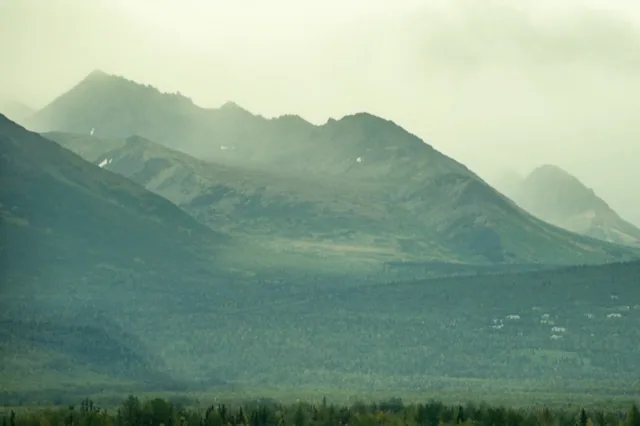
Boreal spruce lightning fires naturally cycle interior Alaska from mid-June through early August during hot dry highs, occasionally shrouding Fairbanks or Denali highways in smoky haze—meaning flexible trip planners pivot effortlessly south toward damp ocean breezes around Seward, Soldotna (Kenai Fly Fish), and Homer Spit (Big Butt Charters) when interior AQI spikes.
How Coastal Mountains Shield Kenai Peninsula & Inside Passage
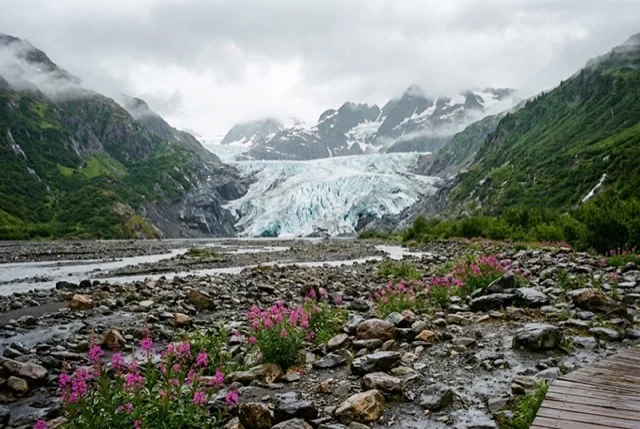
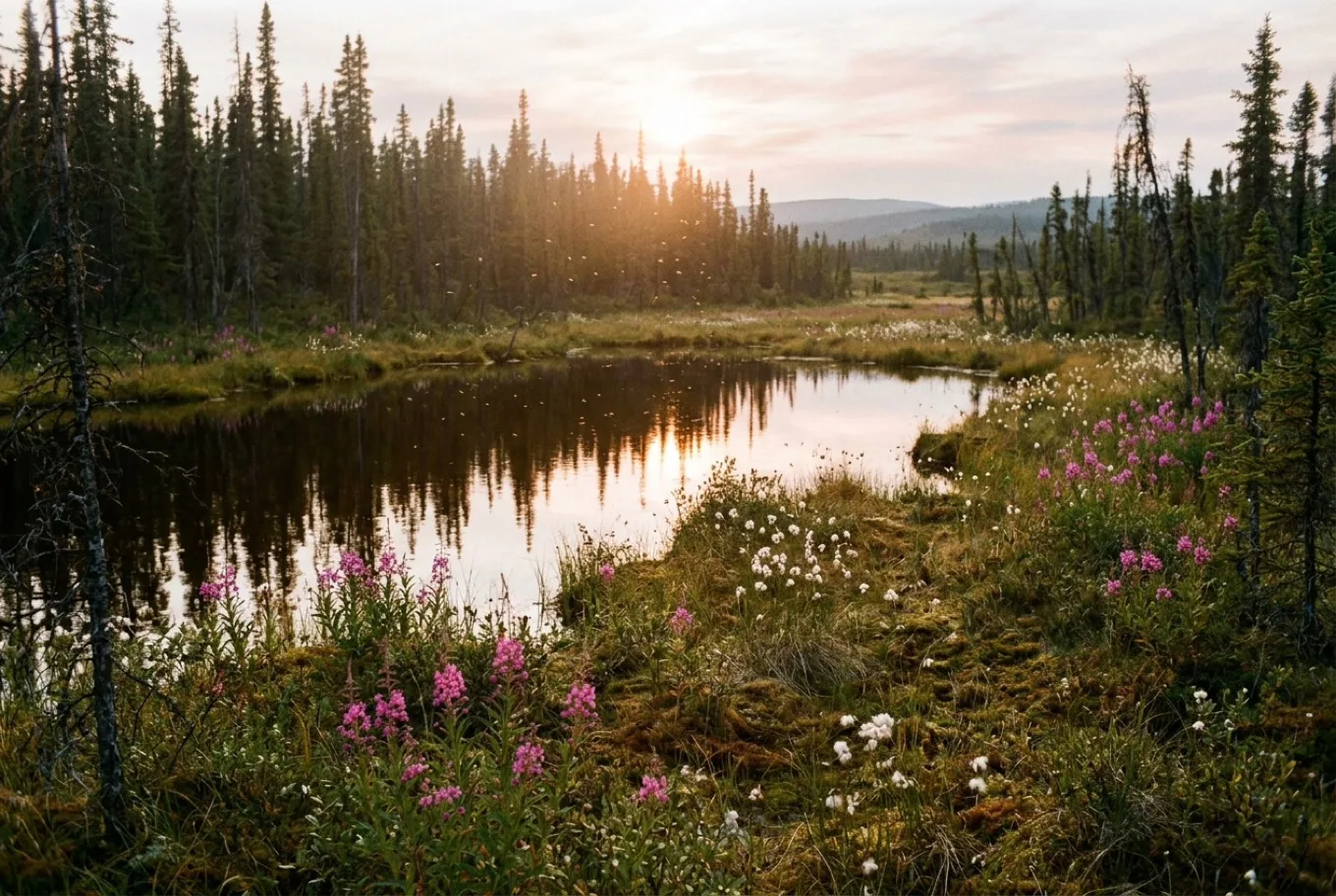
Even when hot dry July high-pressure ridges spark smoky Interior fires along Tanana and Yukon river plains, moist Pacific breezes pouring off Cook Inlet and the Chugach/Kenai Mountains hold Southcentral and Southeast coastal air remarkably clean.
If Interior forecasts dip above AQI 150+ during an extended visit, swap smoky Fairbanks canyon trails flexibly for cool glacial river outings with Kenai Fly Fish in Soldotna or emerald Kachemak Bay charters aboard Big Butt Charters out of Homer Spit.
Smart Day-Before Fire Highway Precautions
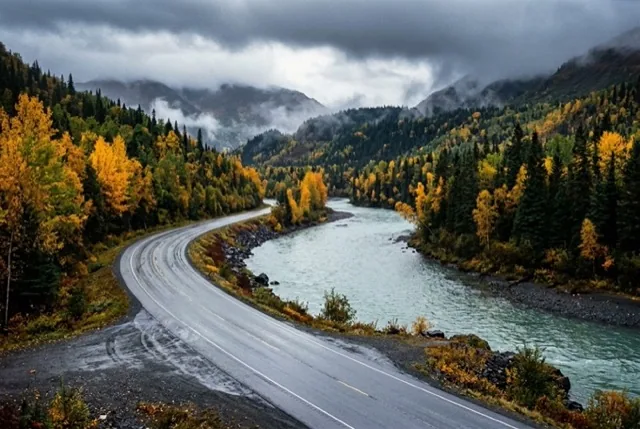
Check Alaska Interagency Coordination Center (AICC) fire maps and Alaska 511 whenever traveling Parks, Richardson, or Alcan highways during heatwaves—pilot cars occasionally pause highway traffic around active smoky corridors near Clear/Nenana or Sterling/Kenai.
Key Field Details & Guidance
- Tuck two clean N95 masks into travel medical pouches if visiting Interior regions mid-June through July with asthma or sensitive lungs.
- Do NOT ignore active burn bans or toss stray sparks on roadside dry lichen/spruce duff even after morning showers.
- Pivot photographic plans gracefully: eerie golden diffused wildfire sunsets reflect brilliantly across calm harbor bays when skies clear slightly.
iPhone Quick Quote Mode
Prefer a 1-question-at-a-time walkthrough for Editorial Desk?
Related Guides & Planners
Frequently Asked Questions
Does wildfire smoke ruin trips across all of Alaska in summer?
Rarely! Smoke tends to settle locally inside warm Interior valleys (around Fairbanks or Tok) for several-day stretches while coastal towns like Homer, Seward, Whittier, Juneau, and Ketchikan stay fresh under ocean breezes.