Winter Night Sky Strategy · Aug 21 – Apr 21
Reading Alaska Aurora Forecasts: Kp Index, Cloud Maps & Bz Solar Wind
Key Summary
Travelers fail chasing aurora in Fairbanks primarily because of thick clouds rather than weak solar winds—and Fairbanks sits directly under the permanent auroral oval where even Kp 1–2 dances overhead whenever winter skies clear.
Why Kp Index Misleads Fairbanks Visitors
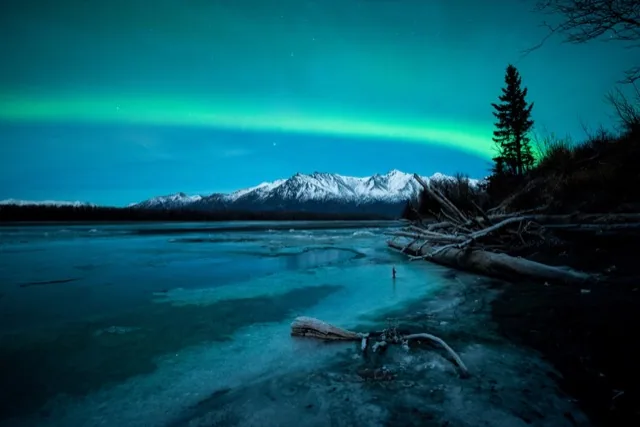
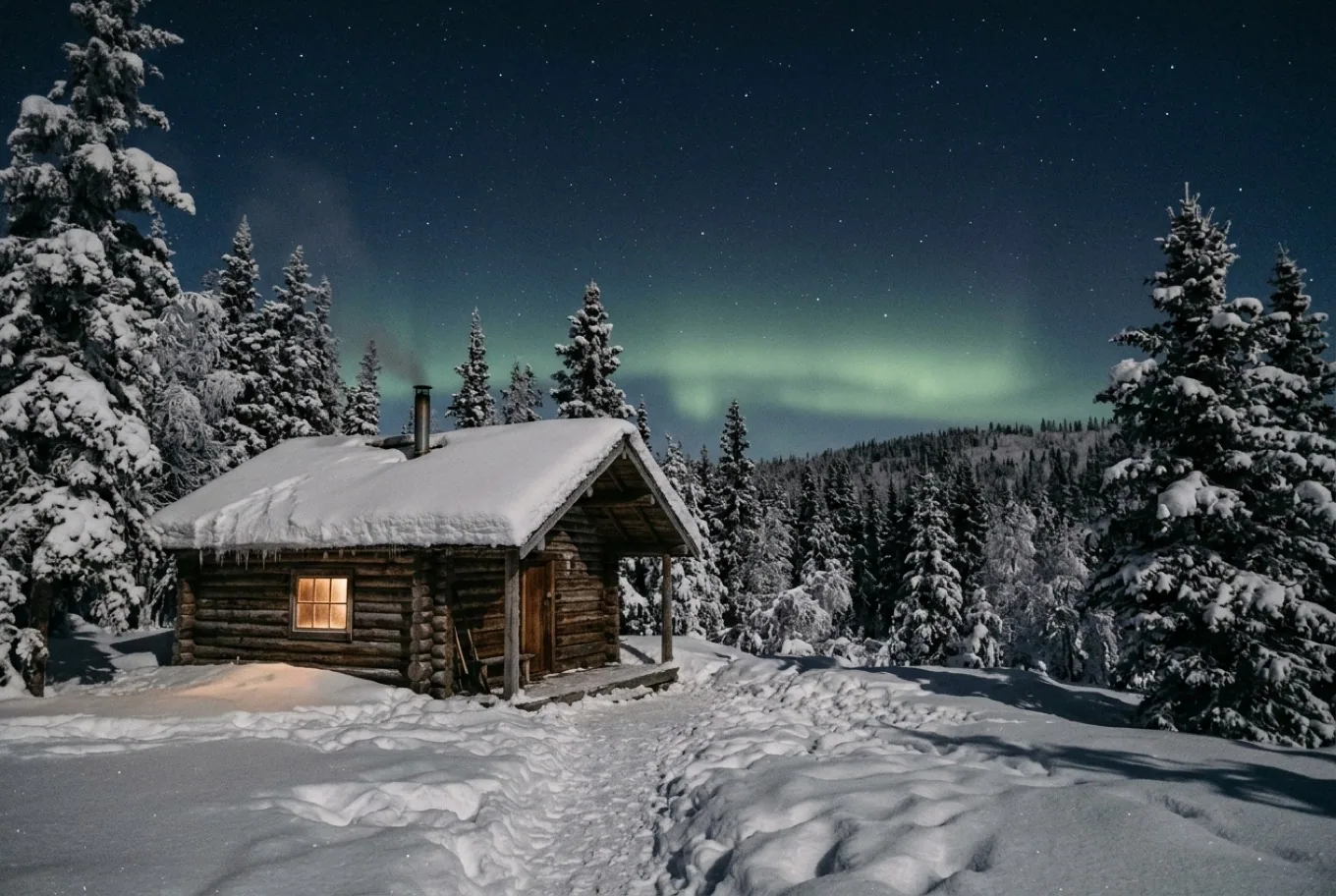
The global Kp geomagnetic index measures planetary aurora reach toward Seattle or Chicago. Because Fairbanks and Coldfoot sit directly underneath the nightly auroral oval ring (~64°–67° N latitude), bright overhead green arcs appear almost every clear dark night even at Kp 1 or Kp 2.
Far more predictive than high Kp numbers is Interplanetary Magnetic Field Bz turning negative (southward -3 to -10+ nT triggers crisp dancing coronas within ~30–60 minutes) alongside zero cloud ceiling!
Beating Interior Valley Fog & Clouds
Use National Weather Service (NWS Fairbanks) hourly IR satellite & Sky Cover grids before driving out. Low river-valley ice fog often caps downtown Fairbanks at -20°F while driving 20–30 minutes upward onto ridge pullouts (Murphy Dome, Cleary Summit, Pedro Dome, or Wickersham Dome) puts observers right above cold valley inversions under razor-sharp stars.
Key Field Details & Guidance
- Reserve at least 3 to 4 nights in Interior Alaska between September and March for ~85%+ historical clear-sky success odds.
- Pack chemical hand/toe warmers taped against smartphone/mirrorless camera batteries so frost doesn't black out shutters in 10 minutes.
- Dim vehicle headlamps cleanly when rolling into rural Cleary Summit pullouts out of respect for long-exposure astrophotographers!
Related Guides & Planners
Frequently Asked Questions
Can you see the northern lights in Alaska during summer (June or July)?
No—midnight sun twilight illuminates Fairbanks and Anchorage skies round the clock from early May through mid-August, hiding faint aurora glow. Return between August 21 and April 21 for full astronomical darkness.