
Southeast Alaska Tradeoff
Juneau vs. Ketchikan — Inside Passage Hubs Compared
Bottom-Line Verdict
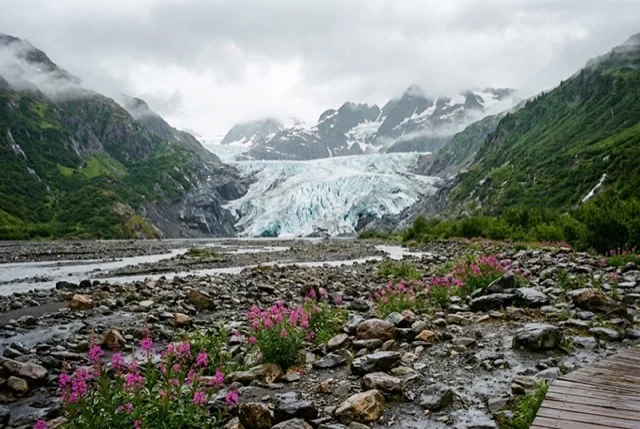
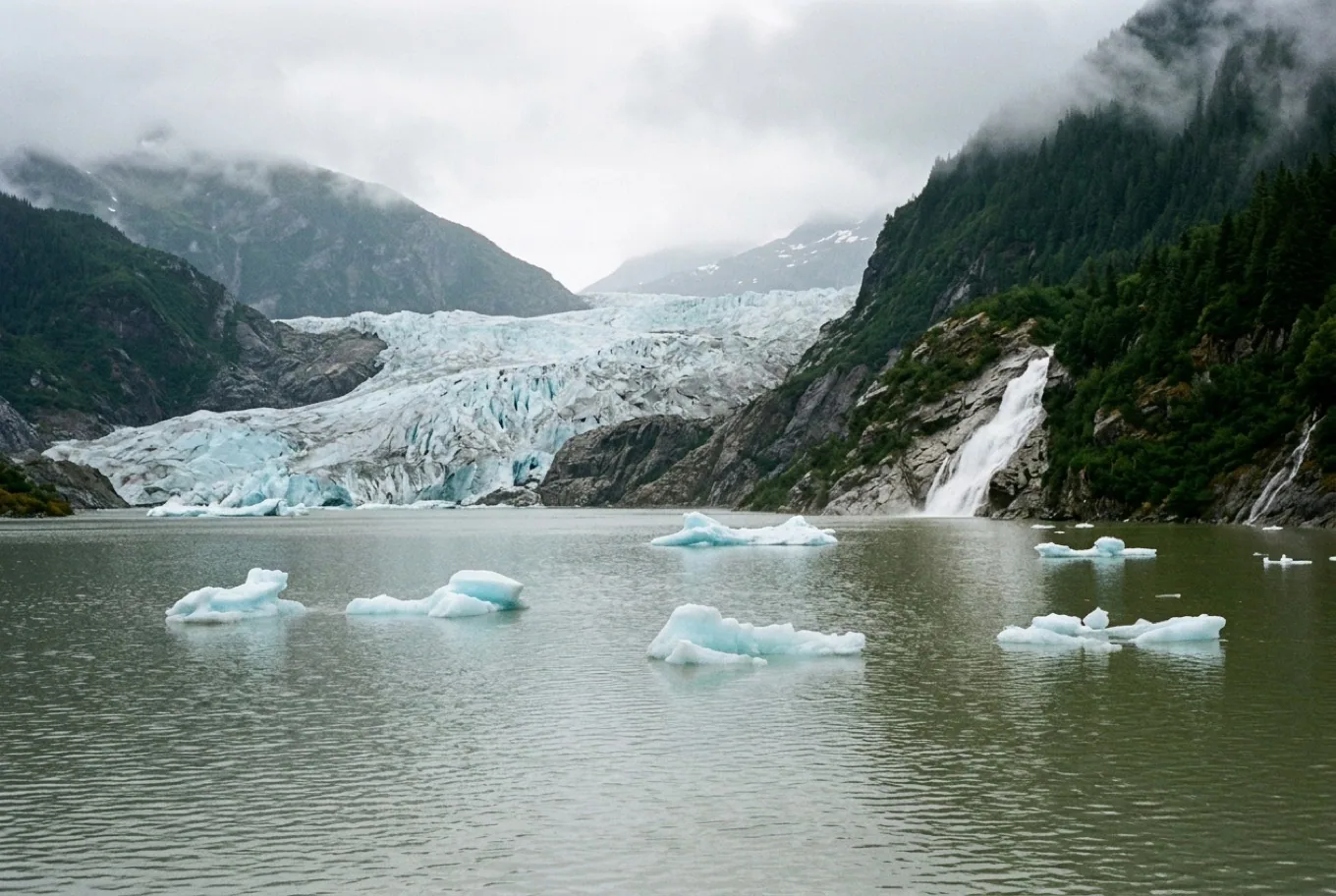
Pick Juneau if massive tidewater glaciers (Tracy Arm / Mendenhall) and reliable Auke Bay humpback whale boats top your wish list—plus connections onward to Glacier Bay. Pick Ketchikan if dramatic Misty Fjords seaplane cliffs, dense salmon streams (Anan Bear Observatory), and Alaska's highest concentration of carved Tlingit/Haida totem poles call to you.
Signature Highlight
Glaciers + Whales vs. Misty Fjords + Totems
Peak Bear Access
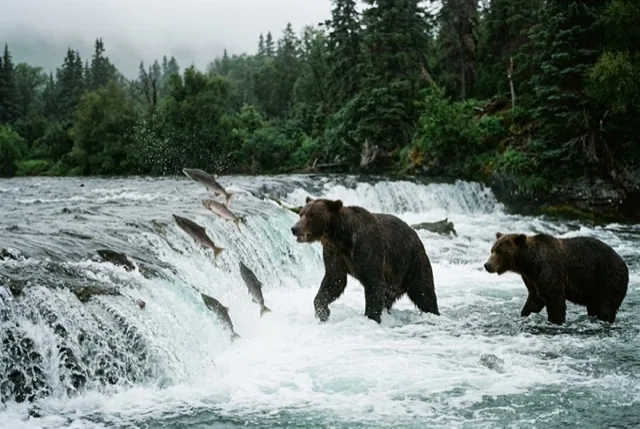
Admiralty / Pack Creek vs. Anan / Traitors Cove
Rain Profile
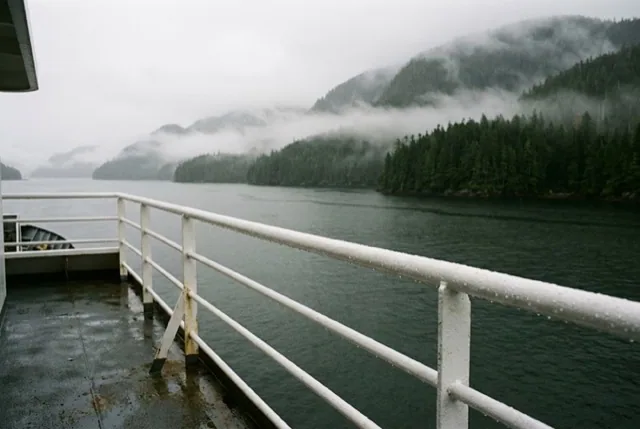
Moderate Wet Coastal (~60" rain) vs. Rainforest Heavy (~150"+)
Gateway Synergy
Juneau → Glacier Bay / Skagway
Side-by-Side Comparison
| Factor | Juneau | Ketchikan |
|---|---|---|
| Road-Accessible Glacier | Mendenhall Glacier (easy shuttle/drive) | No roadside glacier (flightsee Misty Fjords) |
| Marine Wildlife Strength | High-frequency summer humpback feeding grounds | Orca/whale passes + dense river salmon spawning |
| Historic Town Texture | Capital hillside streets + Mt. Roberts Tram | Wooden Creek Street boardwalks + Totem Bight/Saxman |
| Ideal Stay Without Ship | 2–4 Nights + ferry/flight onward | 2–3 Nights + seaplane day tours |
iPhone Quick Quote Mode
Prefer a 1-question-at-a-time walkthrough for Alaska?
Frequently Asked Questions
Which town rains more, Juneau or Ketchikan?
Ketchikan sits on Revillagigedo Island catching intense southern Gulf weather systems (~150+ inches of precipitation per year), whereas Juneau tends noticeably drier (~62 inches in downtown, slightly higher near Mendenhall). Pack full waterproof shells for both.